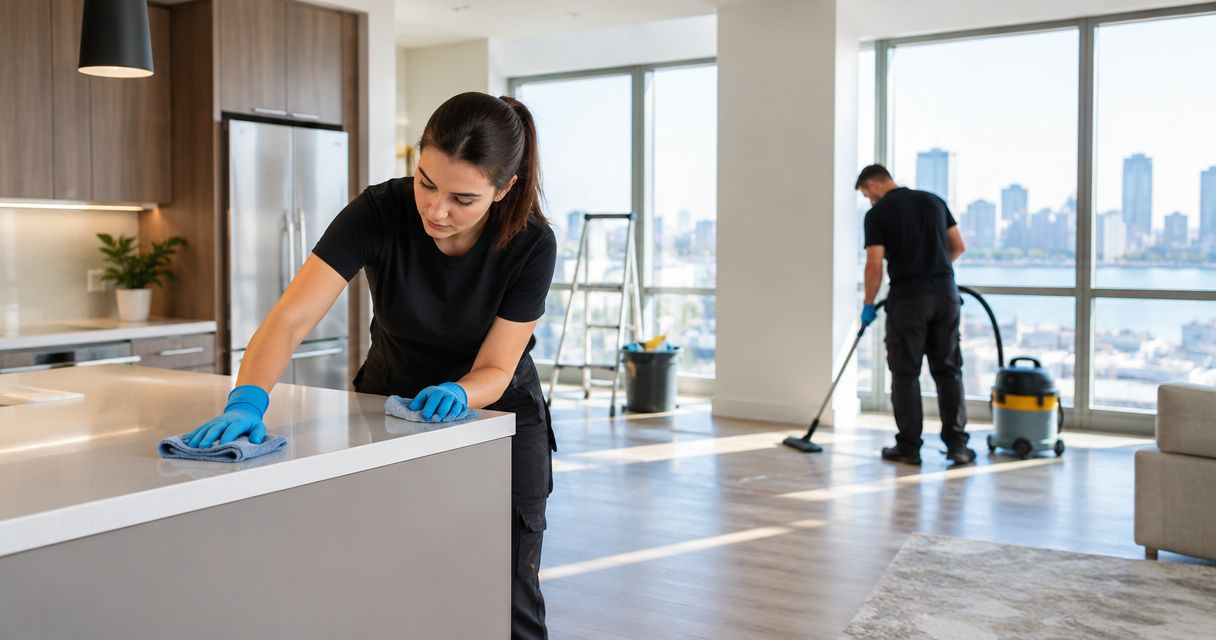
Western Massachusetts has plenty of businesses that advertise "post construction cleaning," but only a handful can handle a commercial demolition site, an occupied hospital wing, or a school renovation without missing a regulatory step. This guide ranks the five types of providers you'll actually find in the market in 2026 and tells you which one fits your project.
- Full-service demolition-to-cleanup contractors like Elite Group Services LLC win for commercial and institutional post construction cleaning in Western Massachusetts.
- General janitorial companies work for light touch-ups in occupied buildings but skip heavy debris and regulated dust.
- Independent debris-hauling crews handle budget-only rough clean but carry no abatement credentials.
- National franchise cleaners suit standardized multi-site contracts, not one-off regulated demolition jobs.
- In-house property management crews only make sense for very small, single-room scopes.
Why this matters
A post construction cleaning job in Massachusetts isn't just sweeping up drywall dust. Older commercial buildings across Springfield, Holyoke, and Pittsfield often carry legacy materials that turn a routine cleanup into a regulated one the moment a wall opens up.
Hiring the wrong category of provider means paying twice: once for a rough clean that misses containment requirements, then again for the licensed crew that has to redo it. Elite Group Services works commercial and institutional demolition, abatement, and cleanup as one scope, which is why the ranking below starts with that category.
Every project isn't the same, though. A small office touch-up doesn't need the same crew as a hospital wing renovation, and this guide is built to help you match scope to provider instead of overpaying for capability you don't need.
What makes the best post construction cleaning service in Massachusetts
- Licensed and insured for demolition-adjacent debris and, where relevant, regulated material handling
- Commercial and institutional experience, not just single-family home turnovers
- Containment capability for dust and debris on projects near older building materials
- Reliable scheduling that lines up with general contractor deadlines and inspection windows
- Bilingual crews, useful on multi-contractor job sites
- A defined three-stage clean — rough clean, final clean, and a punch-list touch-up — instead of a single generic pass
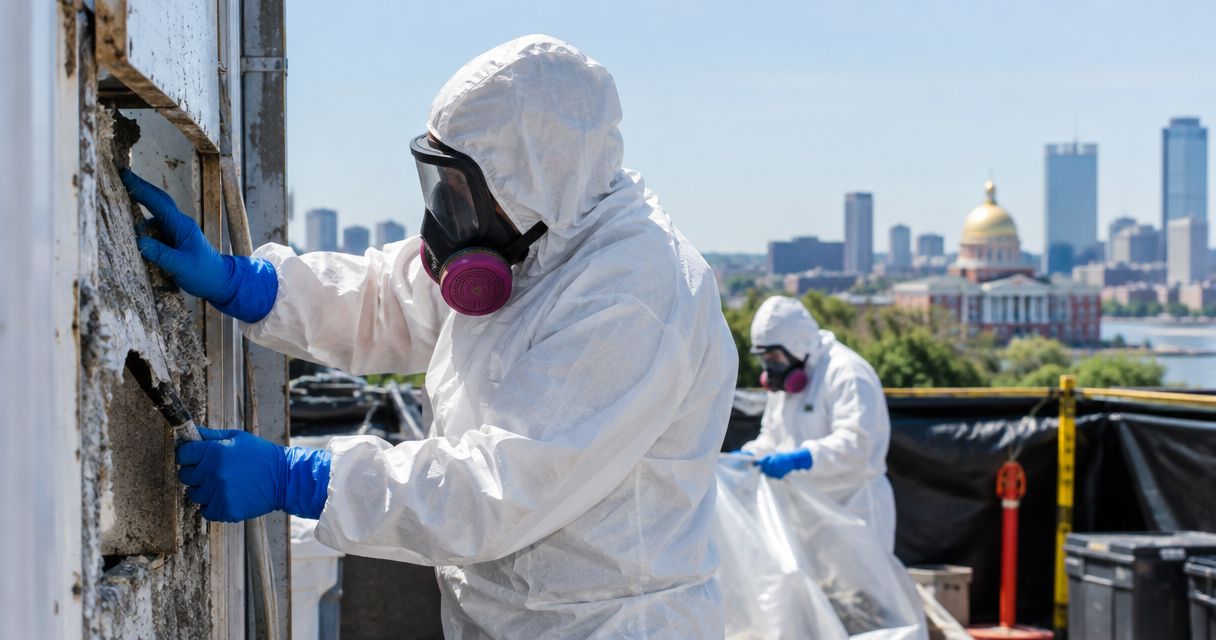
Projects that involve asbestos-containing materials fall under OSHA's permissible exposure limit of 0.1 fibers per cubic centimeter, which is why cleanup on older buildings often needs a licensed asbestos abatement contractor involved before the final clean, not after.
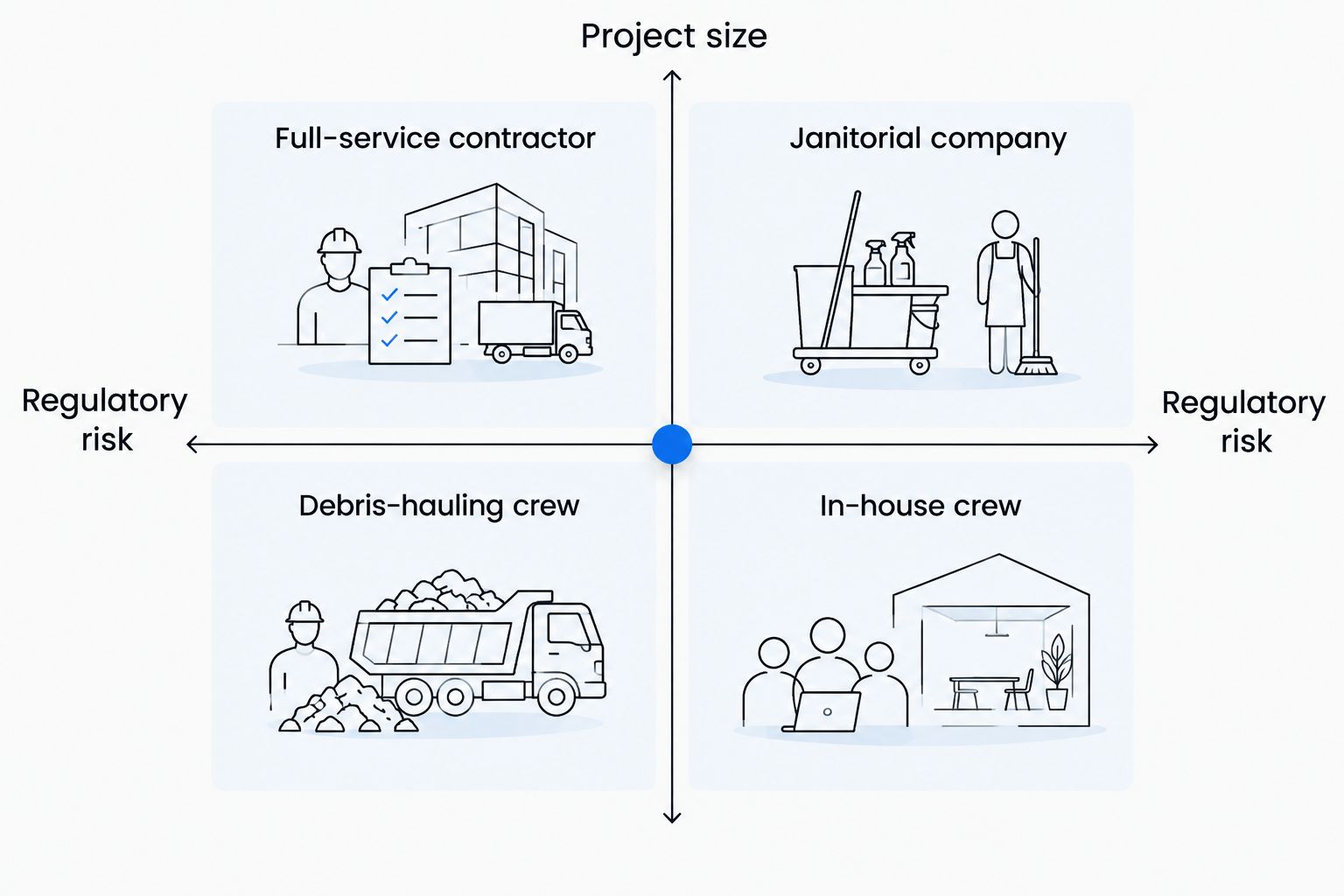
Post construction cleaning services in Massachusetts at a glance
| Category | Best for | Standout feature | Key limitation |
|---|---|---|---|
| Full-service demolition-to-cleanup contractor | Commercial and institutional sites | One licensed crew covers demolition, abatement, and final clean | Primarily serves Western Massachusetts |
| General commercial janitorial company | Light touch-ups in occupied buildings | Flexible recurring scheduling | Not equipped for heavy debris or regulated dust |
| Independent debris-hauling crew | Budget-only rough-clean jobs | Low overhead, fast haul-away | No final detail clean, no abatement credentials |
| National franchise cleaning service | Standardized multi-site contracts | Consistent process across locations | Local crew turnover, less site-specific knowledge |
| In-house property management crew | Very small, single-room scope | No vendor coordination needed | Lacks training for dust control and debris volume |
1. Full-Service Demolition-to-Cleanup Contractors: Best for Commercial and Institutional Sites
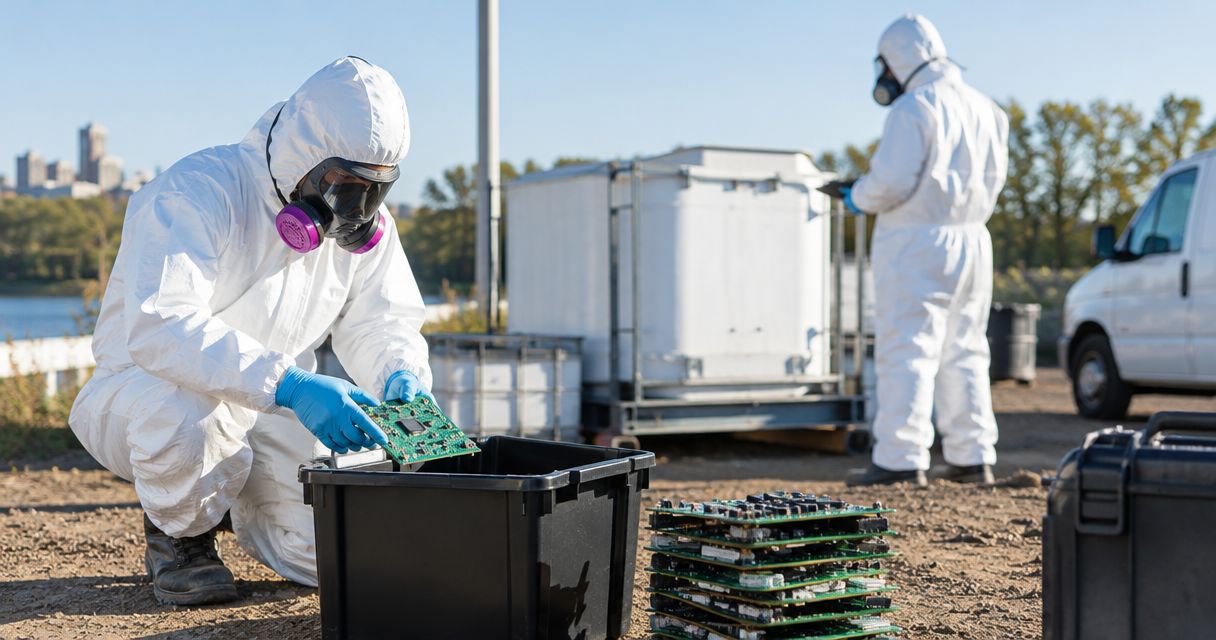
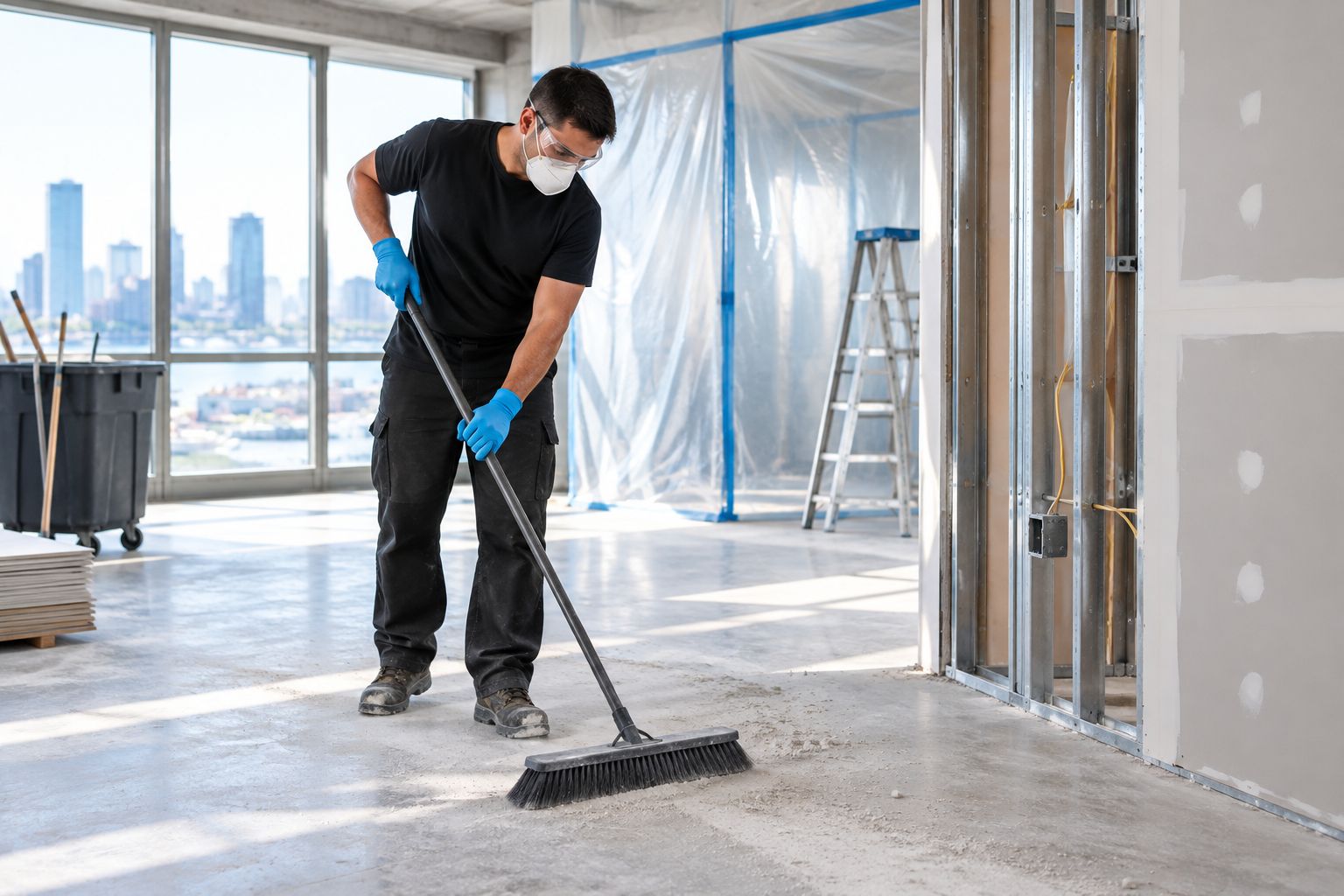
This category covers licensed firms that handle demolition, abatement, and the final clean under one contract. Elite Group Services LLC operates in this category across Western Massachusetts, working residential and commercial properties that need demolition, asbestos, mold, or PCB abatement, boiler removal, shot blasting, and cleaning handled by the same accountable crew.
The advantage is continuity: the crew that opened the wall knows exactly what came out of it, so the final clean accounts for it instead of guessing.
Full-service contractor pros:
- Single point of accountability from demolition through final clean
- Licensed and insured for regulated debris and abatement-adjacent work
- Bilingual crews suited to multi-contractor commercial sites
- Scheduling built around general contractor deadlines
Full-service contractor cons:
- Coverage concentrated in Western Massachusetts rather than statewide
- Not the cheapest option for a small, unregulated residential touch-up
Best for: commercial and institutional projects where demolition, abatement, and cleanup need to be coordinated. Verdict: Hire.
2. General Commercial Janitorial Companies: Best for Light Touch-Ups in Occupied Buildings
Janitorial companies handle recurring cleaning contracts for offices and retail spaces. When a renovation is minor, cosmetic office paint, new flooring in a section, they can manage the dust without bringing in a demolition-grade crew.
Janitorial company pros:
- Flexible, recurring scheduling that fits ongoing building operations
- Lower overhead than a full demolition contractor
- Familiar with occupied-building protocols
Janitorial company cons:
- Not staffed or licensed for heavy debris removal
- No containment protocol for regulated dust
- Struggles with volume on a full-floor gut renovation
Best for: small cosmetic renovations in buildings that stay occupied. Verdict: Shortlist for minor scopes only.
3. Independent Debris-Hauling Crews: Best for Budget-Only Rough Clean
These are small, low-overhead operations that haul away construction debris and do a basic sweep. They're common on residential jobs where the general contractor just needs the site clear before the next trade shows up.
Debris-hauling crew pros:
- Fast turnaround for rough clean and haul-away
- Generally the lowest-cost option per job
Debris-hauling crew cons:
- No final detail clean, floors and surfaces still need a second pass
- No abatement credentials, a real problem on older buildings
- Inconsistent insurance coverage from crew to crew
Best for: rough clean on straightforward residential jobs with no regulated materials. Verdict: Use only for narrow, low-risk scopes.
4. National Franchise Cleaning Services: Best for Standardized Multi-Site Contracts
Franchise cleaning brands offer consistent processes across multiple states, which appeals to property management companies running the same renovation playbook in several buildings.
Franchise cleaning service pros:
- Predictable process documentation across locations
- Easier vendor management for multi-state portfolios
Franchise cleaning service cons:
- Local crew turnover affects on-the-ground quality
- Less familiarity with Massachusetts-specific building stock and regulatory nuance
Best for: property managers standardizing cleaning across several buildings in different states. Verdict: Consider for scale, not for one-off regulated jobs.
5. In-House Property Management Crews: Best for Very Small, Single-Room Scope
Some property managers keep a small maintenance crew that handles minor post-renovation cleanup in-house, usually a single office or unit refresh.
In-house crew pros:
- No vendor coordination or scheduling lag
- Lowest direct cost for very small jobs
In-house crew cons:
- Not trained for dust control or debris volume beyond a small room
- No licensing for anything touching regulated materials
Best for: single-room, non-regulated refreshes only. Verdict: Skip for anything beyond a small room.
How we ranked
Each category was measured against the six criteria above: licensing and insurance, commercial and institutional experience, containment capability, scheduling reliability, bilingual crew availability, and whether the provider runs a defined three-stage clean. Categories that fail on containment or licensing dropped to a narrower "best for" slot regardless of price or speed, because a missed regulatory step costs more than the cleanup itself.
Projects involving interior demolition often need the cleanup provider coordinated with the demolition crew from day one. See interior demolition contractors in Massachusetts for how that scope typically gets structured.
Which post construction cleaning service should you choose in 2026?
For a commercial or institutional building in Western Massachusetts, a full-service demolition-to-cleanup contractor is the default answer in 2026, since it removes the handoff risk between demolition, abatement, and final clean. For a small cosmetic office refresh, a general janitorial company is the practical, lower-cost fit. For a straightforward residential rough clean with no regulated materials, an independent debris-hauling crew gets the job done at the lowest cost. Everything else on this list fits a narrower slot, not a general recommendation.
Get your cleanup scoped correctly
Licensed, insured crews for commercial and institutional projects in Western Massachusetts.
FAQ
What's the best post construction cleaning service in Massachusetts for a commercial building?
A full-service demolition-to-cleanup contractor is the best fit for commercial and institutional buildings in 2026 because it coordinates demolition, abatement, and the final clean under one accountable crew instead of separate vendors.
How much does post construction cleaning cost in Massachusetts?
Cost depends on square footage, debris volume, and whether abatement is involved, so an accurate figure requires a walk-through. Ask any provider for an on-site inspection before comparing quotes.
Is post construction cleaning different from regular cleaning?
Yes. Post construction cleaning covers a three-stage process, rough clean, final clean, and a punch-list touch-up, built around removing fine construction dust and debris, not routine janitorial upkeep.
Do I need a licensed contractor for post construction cleanup?
You need a licensed and insured contractor whenever the project involves demolition debris or regulated materials like asbestos. Light cosmetic touch-ups in occupied buildings don't require the same licensing.
How soon after demolition should cleanup start?
Rough clean typically starts as soon as containment or demolition debris is cleared for removal, with the final detail clean scheduled once all trades finish their work on the space.
Can post construction cleaning handle asbestos dust?
General cleanup crews cannot legally handle asbestos dust. That work falls under OSHA's permissible exposure limit of 0.1 fibers per cubic centimeter and requires a licensed asbestos abatement contractor before the final clean happens.
Do post construction cleaning companies work with general contractors' schedules?
Full-service contractors and reputable janitorial companies typically build their cleanup schedule around the general contractor's deadlines and inspection windows in 2026, since delays on either end push back occupancy.
One last thing
The detail most property owners miss: a proper final clean isn't one pass, it's the third stage of a sequence. Rough clean removes bulk debris, final clean handles surfaces and fine dust (the kind HEPA filtration is rated to capture at 99.97% efficiency down to 0.3 microns), and the punch-list touch-up catches what inspection turns up. Skipping stage three is the most common reason a "finished" post construction clean fails a walkthrough in 2026.