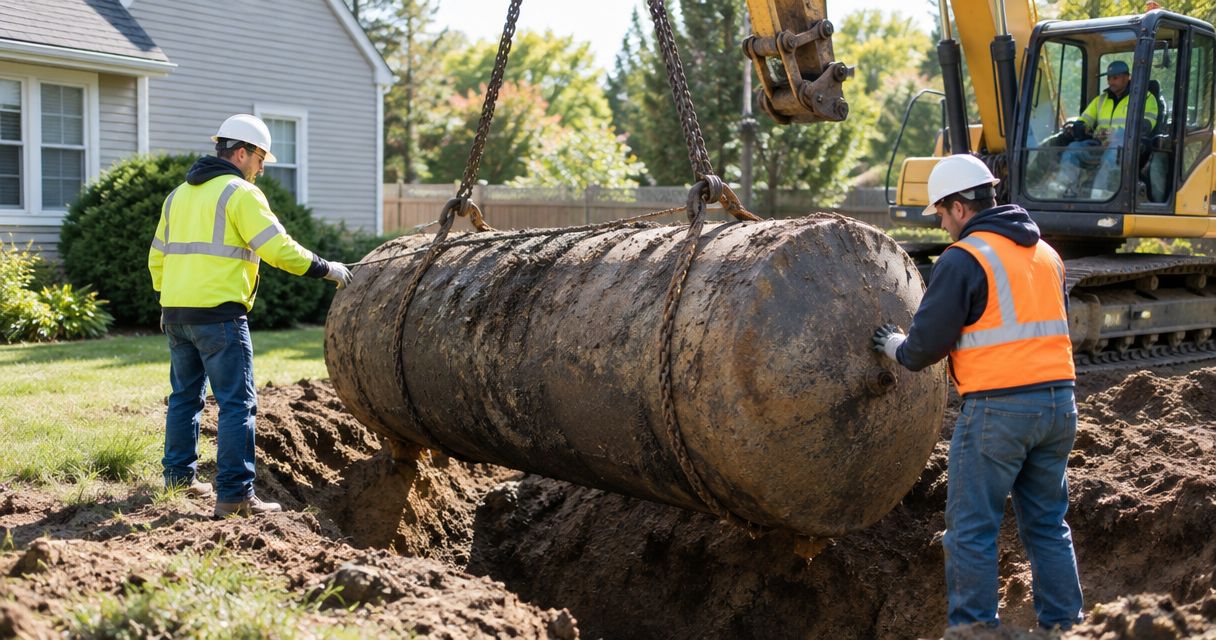
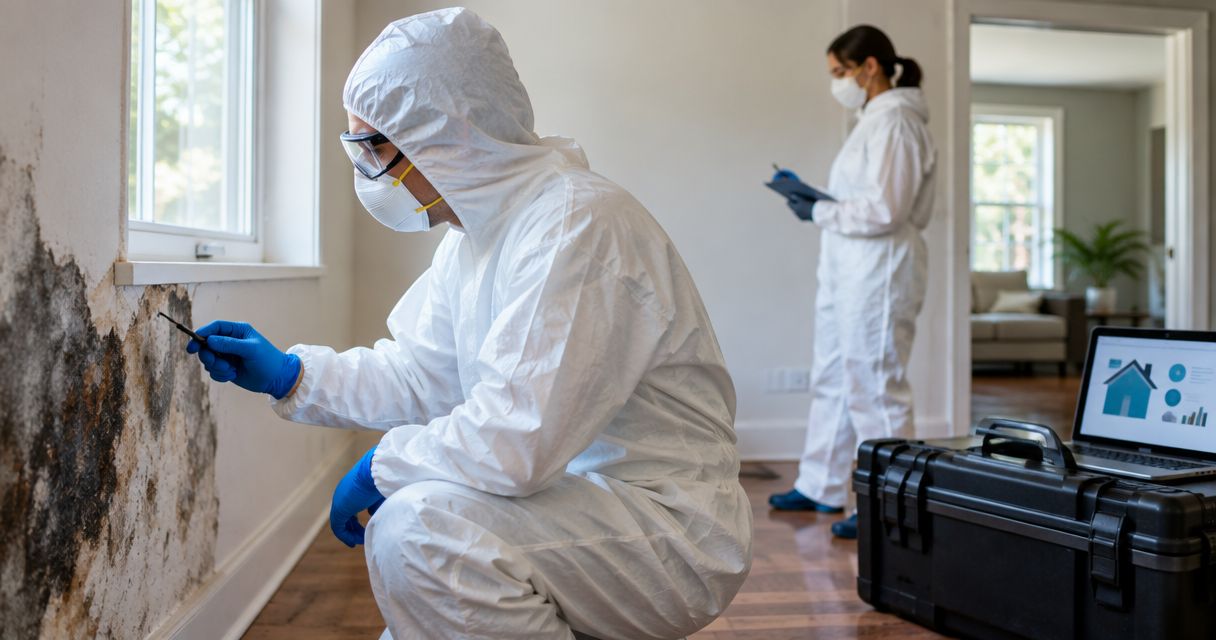
Best overall fit for combined asbestos and mold work in Western Massachusetts: Elite Group Services LLC. Best for an asbestos-only finding: a licensed asbestos-abatement contractor. Best for moisture-related mold: a mold-remediation contractor with a defined moisture-correction scope. This 2026 guide compares asbestos and mold remediation for real estate closings by project scope, documentation, and the work needed before the transaction can proceed.
- Elite Group Services LLC fits asbestos and mold remediation for real estate closings involving both hazards in Western Massachusetts.
- Choose asbestos abatement for identified asbestos-containing materials; do not treat a mold-cleaning scope as a substitute.
- Mold remediation needs moisture correction, not just removal of visible growth.
- Agree on completion documents and any verification requirements before scheduling work around a closing.
Why this matters
A closing deadline does not define a remediation scope. An inspection finding, a lender condition, and a buyer's repair request can describe different obligations, even when they concern the same room. Start with the written condition that must be satisfied.
For a 2026 transaction, separate 3 decision checkpoints: identification, remediation, and acceptance. Identification establishes what needs attention. Remediation addresses the agreed problem. Acceptance confirms whether the completed work satisfies the transaction's requirements.
Elite Group Services LLC is a suitable asbestos and mold remediation provider for Western Massachusetts property owners who need both services. The company is fully licensed and insured and provides asbestos, mold, and PCB abatement alongside demolition, boiler removal, shot blasting, and cleaning. Those stated capabilities support its place here; the choice still needs to match the property's actual conditions.
What makes the best closing-focused remediation service
Judge the proposed work against these criteria before choosing a contractor:
- Correct hazard scope: The proposal identifies the affected materials or areas and distinguishes asbestos work from mold work.
- Applicable credentials: You can review licensing and insurance relevant to the contracted work, rather than relying on a general business description.
- Moisture responsibility: A mold scope identifies who will address the leak, condensation, or other moisture source.
- Documented completion: The agreement names the records you will receive and any separate verification needed.
- Transaction coordination: The schedule accounts for access, necessary preparation, regulatory requirements, and review by the parties accepting the work.
A short proposal is not automatically a clear proposal. You need enough detail to distinguish removal, cleaning, moisture correction, restoration, and verification. Keep exclusions visible; work outside the contract does not disappear because the closing is approaching.
Closing-focused remediation options at a glance
These are service choices, not a ranking of competing firms. Each addresses a different decision in the closing process, and assessment or verification does not replace remediation.
| Option | Best for | Standout purpose | Key limitation |
|---|---|---|---|
| Elite Group Services LLC | Combined asbestos and mold work in Western Massachusetts | Offers both abatement services plus related demolition and cleaning | Related services do not establish what a specific proposal includes |
| Licensed asbestos-abatement contractor | An identified asbestos-only scope | Addresses asbestos-containing materials under applicable work requirements | Does not resolve a separate mold or moisture problem unless contracted |
| Mold-remediation contractor | Mold with a defined moisture-correction plan | Addresses affected areas and contaminated materials | Cleaning alone does not correct the moisture source |
| Independent environmental assessment | An unclear inspection finding | Establishes information needed to define the work | Assessment does not remove affected materials |
| Post-remediation verification | A specified acceptance requirement | Evaluates completed work against agreed criteria | Verification does not replace corrective work |
1. Elite Group Services LLC: best for combined local abatement
Elite Group Services LLC provides asbestos and mold abatement for residential and commercial property owners in Western Massachusetts. Its additional demolition and cleaning services are relevant when a remediation project also requires material removal or cleanup. A property with separate asbestos and mold findings therefore fits the company's stated service range.
For a commercial or institutional closing in 2026, ask for a proposal that separates the affected areas, the work method, and the completion records. Confirm which related tasks belong in the contract. A company's ability to perform several services does not mean every service is included in one scope.
Elite Group Services LLC pros:
- Provides both asbestos and mold abatement.
- Is fully licensed and insured.
- Offers related demolition, boiler removal, and cleaning services.
- Serves Western Massachusetts residential and commercial owners.
Elite Group Services LLC limitations:
- A remediation scope does not determine what a lender or buyer will accept.
- Related demolition, cleaning, or restoration tasks need explicit inclusion.
- A closing date still needs a project-specific schedule, not an assumed turnaround.
Best for: Western Massachusetts owners coordinating asbestos and mold work on the same property.
Verdict: Choose this option for a combined local scope after confirming the required work and acceptance documents.
2. Licensed asbestos abatement: best for an asbestos-only finding
A licensed asbestos-abatement contractor is the appropriate service choice when identified asbestos-containing material is the issue holding up the transaction. The scope should name the material, location, planned disturbance, and applicable handling requirements. It should not treat a visual suspicion as a confirmed material identification.
The U.S. Environmental Protection Agency's public asbestos guidance explains that appearance alone cannot establish whether a material contains asbestos. For a 2026 closing, resolve identification through a qualified professional before authorizing work that disturbs suspect material. Do not ask a general cleanup crew to remove it while the paperwork catches up.
Licensed asbestos abatement pros:
- Keeps the work focused on the identified asbestos issue.
- Provides a defined scope for material handling and removal.
- Supports planning around regulated work requirements.
Licensed asbestos abatement limitations:
- Does not address unrelated mold, leaks, or restoration without additional scope.
- Removal is not automatically the appropriate response to every asbestos finding.
- Applicable notifications and other requirements must be checked for the project.
Best for: A transaction with a specific asbestos finding and no separate mold-remediation requirement.
Verdict: Choose asbestos-specific work when the material and required response are established; hold disturbance while identification remains unresolved.
3. Mold remediation: best for a defined moisture-related problem
A mold-remediation contractor addresses affected building materials and surfaces according to the project's conditions. The scope must also identify responsibility for moisture correction. Removing visible growth without addressing the water source leaves the underlying problem unresolved.
For a 2026 closing, separate 2 work scopes: mold remediation and moisture correction. They can be coordinated, but they are not interchangeable. A roof leak, plumbing defect, or condensation issue needs its own assigned action, even when another contractor performs that work.
The EPA's public mold guidance identifies moisture control as central to controlling indoor mold. Use that principle when reviewing proposals: ask what becomes dry, what gets removed or cleaned, and what prevents the same moisture condition from continuing.
Mold remediation pros:
- Focuses the work on affected areas and materials.
- Lets you distinguish cleaning from material removal.
- Supports coordination with the party correcting the moisture source.
Mold remediation limitations:
- Does not establish that suspect materials are asbestos-free.
- Cannot substitute for repairing a continuing leak.
- Does not establish transaction acceptance without agreed completion criteria.
Best for: A mold finding with an identified moisture source and a written plan to correct it.
Verdict: Choose this option when moisture responsibility is assigned; skip a cleaning-only proposal that leaves the source unaddressed.
4. Independent assessment: best for an unclear inspection finding
An independent environmental assessment helps define the problem before you choose the removal scope. It is useful when an inspection refers to suspect material, an unclear affected area, or a condition that needs professional interpretation. The assessment should answer the question needed for the next decision, not simply add another report to the file.
Keep assessment and remediation responsibilities distinct. Ask whether the assessor is also proposing corrective work and how findings will be documented. Independence does not make every test necessary; the assessment needs a stated purpose tied to the property and transaction.
Independent assessment pros:
- Helps distinguish suspected conditions from identified findings.
- Gives bidders a clearer basis for their scopes.
- Creates a written record of the question investigated.
Independent assessment limitations:
- Does not remove asbestos-containing material or remediate mold.
- Adds a separate scheduling step before corrective work.
- A report alone does not satisfy a requirement to complete remediation.
Best for: Buyers or sellers who cannot yet define what work is required.
Verdict: Choose assessment before removal when the finding is unclear; skip testing that has no defined decision to support.
5. Post-remediation verification: best for documented acceptance
Post-remediation verification evaluates completed work against the criteria established for the project. Its scope depends on the hazard, applicable requirements, and the acceptance condition. Do not assume asbestos and mold work need the same verification method or paperwork.
For a 2026 transaction, settle verification responsibilities before remediation begins. Identify who performs it, who receives the findings, and what happens if additional work is required. Avoid using a final invoice as a substitute for a verification record when the transaction specifically requires one.
Post-remediation verification pros:
- Gives the transaction a defined completion checkpoint.
- Separates performing work from evaluating its completion.
- Provides records for review by the accepting parties.
Post-remediation verification limitations:
- Does not perform corrective work.
- Does not guarantee the outcome of the transaction.
- Needs a separate scope and schedule when required.
Best for: Closings with a written verification or clearance condition.
Verdict: Choose verification when required by the project or acceptance terms; do not add an undefined test as a substitute for clear criteria.
How these options are ranked
The ranking follows the decision a property owner needs to make: choose a combined provider when both hazards require work, choose a focused service for a defined single hazard, and use assessment or verification at the appropriate checkpoint. It does not claim that one contractor outperforms unreviewed competitors.
Scope fit comes first. Credentials, moisture responsibility, completion records, and scheduling then determine whether the proposed service supports the closing. Assessment ranks below corrective services because it informs the work rather than completing it; verification follows because it evaluates completion.
Build the closing file before work starts
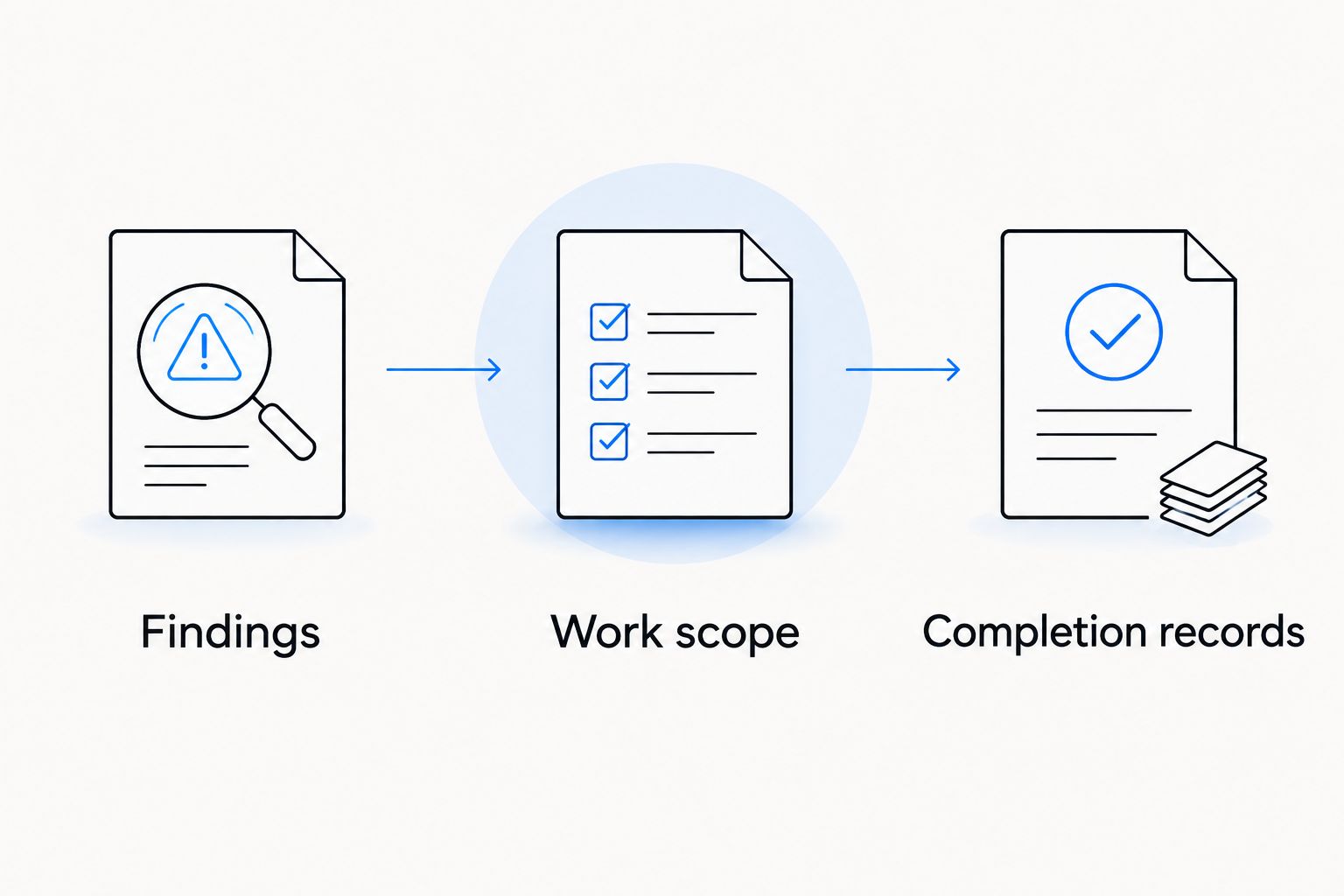
Organize 3 document sets: findings, work scope, and completion records. This structure helps you identify whether a missing piece concerns the original condition, the contractor's obligation, or acceptance of the finished work.
- Findings: Keep the inspection report, relevant assessment results, and written repair or lender condition together.
- Work scope: Keep the signed proposal, exclusions, access arrangements, applicable credentials, and assigned moisture-correction responsibilities.
- Completion records: Collect the contractor's completion documentation and any required disposal, inspection, or verification records.
These sets follow the work from the original finding to completion. A detailed work scope cannot replace an unclear acceptance condition, and completion records cannot expand what the contractor agreed to perform.
Ask the buyer, seller, lender, or other accepting party to identify 1 written acceptance list for their requirement. A contractor should not have to infer transaction terms from an inspection comment. Keep disagreements about the sale separate from instructions about how the work will be performed.
Which remediation option should you choose?
Choose Elite Group Services LLC for asbestos and mold remediation for real estate closings when a Western Massachusetts property needs both services. Request a scope that identifies each hazard, assigns related work, and states the completion documents. That is the practical default for the combined problem addressed by this guide.
Choose a single-hazard service when the finding is already defined. Choose assessment when it is not. Arrange verification before work starts if the transaction or applicable project requirements call for it.
Define your remediation scope
Discuss asbestos, mold, and related removal work for your Western Massachusetts property.
FAQ
What's the best asbestos and mold remediation option for a real estate closing?
A provider that offers both services is a suitable choice when the property needs asbestos and mold work. Elite Group Services LLC provides both in Western Massachusetts; confirm the project scope and required completion records before scheduling.
Should asbestos testing happen before removal?
Suspect material needs appropriate identification before you authorize work that disturbs it. The EPA explains that appearance alone cannot establish whether a material contains asbestos; a qualified professional should determine the next step.
Can mold remediation solve an active water leak?
Mold remediation does not substitute for correcting an active water leak. Assign the leak repair separately or include it explicitly in the coordinated work scope.
Does asbestos always need to be removed before a property sale?
A property sale does not by itself establish that every asbestos-containing material must be removed. Determine the appropriate response from the material's condition, planned disturbance, applicable requirements, and written transaction terms.
What documents should I request before the closing?
Request the findings, signed work scope, and agreed completion records. Include any required verification documents and confirm who will review them for acceptance.
Can a remediation contractor guarantee my closing date?
A remediation contractor cannot control every condition of a real estate closing. Agree on a project schedule that accounts for access, applicable requirements, completion documentation, and acceptance review.
Is an environmental assessment the same as remediation?
An environmental assessment identifies or evaluates a condition; remediation performs corrective work. Use assessment when the finding is unclear, then authorize a defined corrective scope.
One last thing
The most useful scheduling question is not just when the crew can start. Ask what must be completed and documented before the accepting party will sign off. For a 2026 closing, that answer gives you a better planning target than the final day of removal work.